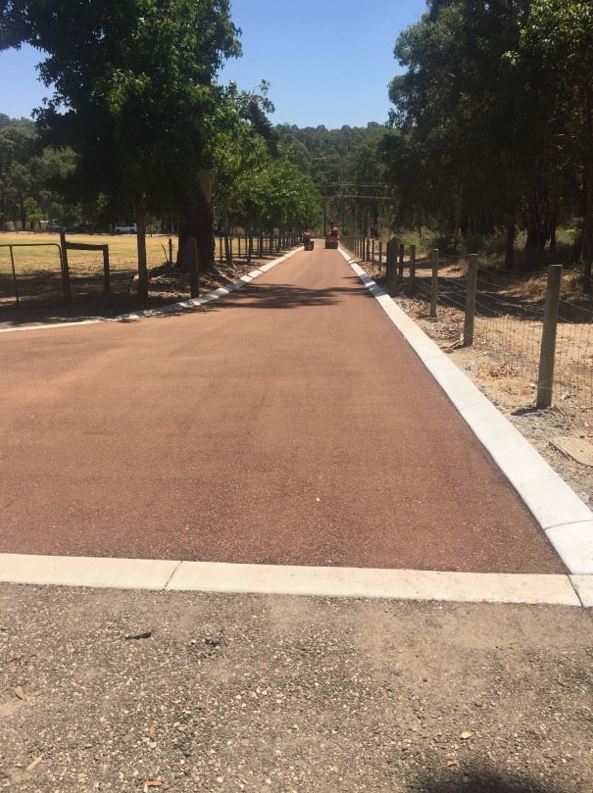
An existing road does not necessarily need complete reconstruction simply because its surface is beginning to show its age. In the right circumstances, Spray & Seal bitumen can provide an effective way to renew a road, improve its wearing surface and provide additional protection to the pavement underneath.
However, Spray & Seal is not a solution for every deteriorating road. The condition of the existing pavement, its foundation, drainage and expected traffic all need to be considered before deciding whether it is an appropriate upgrade. For property owners in Maleny, QLD, a professional assessment can help determine whether an existing road is a suitable candidate for Spray & Seal resurfacing.
What Is Spray & Seal Bitumen?
Spray & Seal is a surfacing method that uses a sprayed bituminous binder covered with selected aggregate. The aggregate is rolled into the binder to form a textured, sealed wearing surface.
Depending on the pavement and its intended use, the treatment can involve different applications of binder and aggregate.
The result is a surface that helps protect the pavement from traffic and moisture while providing a practical driving surface. The quality of the finished result, however, depends heavily on the condition and preparation of the pavement underneath.
When Can an Existing Road Be Spray Sealed?
Spray & Seal can be particularly useful where an existing road retains a reasonably stable foundation but the wearing surface needs attention.
A road may be worth assessing for Spray & Seal if:
- The underlying pavement remains generally stable
- Surface ageing is becoming noticeable
- Minor cracking or wear is developing
- The existing surface requires renewed protection
- Dust or loose surface material is becoming problematic
- Drainage is functioning adequately or can be corrected beforehand
The important distinction is between surface deterioration and structural failure. Spray & Seal can renew and protect a suitable pavement, but it cannot restore a foundation that has already lost its ability to support traffic.
It Can Renew a Worn Driving Surface
As roads age, their surfaces gradually experience wear from traffic and environmental exposure. Aggregate can become worn or loose, small defects may develop and the overall driving surface can become less consistent.
Where the pavement structure remains suitable, Spray & Seal can provide a renewed wearing course across the existing road.
This can improve the consistency of the surface while providing a new protective layer over the pavement below.
Spray Sealing Helps Limit Water Entry
Keeping water out of the pavement is an important part of maintaining any road.
Cracks and deteriorated surface areas can provide pathways for moisture to reach the base. Once the underlying pavement becomes excessively wet, it can lose strength and become more vulnerable to movement under vehicle loads.
The bituminous binder used during Spray & Seal treatment helps create a water-resistant layer over the existing pavement. This can reduce moisture entering from above and help preserve a road that remains structurally serviceable.
It is important, however, to address significant cracks and failed sections before applying the new seal.
It Can Improve an Existing Unsealed Road
Spray & Seal may also be considered when upgrading an existing unsealed road, provided the road has been prepared appropriately.
Simply spraying bitumen over loose or poorly formed ground will not create a durable road. The existing pavement needs to provide a stable foundation, and grading, compaction or additional preparation may be required before sealing.
Once properly prepared, Spray & Seal can create a bound surface that reduces loose material and dust while providing more consistent vehicle access.
For suitable properties in Maleny, this can represent a substantial improvement over an unsealed access road.
Surface Preparation Determines the Result
One of the most important questions before Spray & Seal resurfacing is not simply what the road looks like, but what condition it is actually in.
Potholes should be repaired, unstable sections investigated and loose material removed or corrected. The pavement may also require grading to restore suitable levels before sealing.
Applying a new surface over unresolved defects can allow those problems to affect the new treatment.
Professional preparation ensures Spray & Seal is being used to protect a suitable pavement rather than conceal deterioration that requires more substantial work.
Drainage Needs to Be Checked First
A new sealed surface will not correct poor drainage by itself.
If water regularly pools on the road, flows across it incorrectly or enters through deteriorated edges, those conditions should be addressed as part of the resurfacing process.
Correct grading helps move water away from the pavement and prevents unnecessary standing water. Drainage around the road also needs to function effectively so that moisture does not continually affect the supporting layers.
For a Spray & Seal upgrade to deliver lasting benefits, water management should be considered alongside the surface treatment.
What If the Road Has Potholes?
The presence of potholes does not automatically rule out Spray & Seal, but they should not simply be covered over.
A pothole can indicate that the pavement beneath the surface has weakened. The damaged material needs to be removed and the condition underneath assessed before the area is repaired.
Once localised failures have been properly restored and the wider pavement remains stable, Spray & Seal may still be appropriate as part of the overall resurfacing work.
If potholes are widespread or continually returning, a more extensive investigation of the pavement may be required.
What If the Road Is Heavily Cracked?
The pattern and extent of cracking matter.
Limited surface cracking may be repairable as part of the preparation process. Extensive interconnected cracking, significant movement or widespread deformation can indicate that the pavement has deeper structural problems.
In these circumstances, applying Spray & Seal alone is unlikely to resolve the cause.
An experienced contractor can distinguish between a road that primarily needs surface renewal and one where more substantial pavement rehabilitation should be considered.
Traffic Requirements Matter
The road’s future use should also influence the resurfacing decision.
A private road carrying occasional passenger vehicles has different requirements from a surface regularly used by heavier vehicles. Vehicle frequency, loads, turning movements and braking areas all place different stresses on the pavement.
The existing road therefore needs to be assessed against the traffic it is expected to carry after resurfacing.
This allows the treatment and preparation to be selected around actual use rather than assuming the same Spray & Seal specification is appropriate for every road.
Signs Your Road Is Worth Having Assessed
Property owners may want to arrange a professional assessment when an existing road remains usable but is beginning to show signs such as:
- Increasing surface wear
- Loose aggregate
- Minor cracking
- Dust from unsealed sections
- Isolated potholes
- Loss of surface consistency
- Early deterioration around heavily trafficked areas
Assessing the road at this stage can help determine whether maintenance and Spray & Seal resurfacing could preserve the existing pavement before deterioration becomes more extensive.
Why Professional Assessment Is Important
The visible surface only tells part of the story. Contractors also need to consider the base, drainage, pavement levels and evidence of movement before recommending resurfacing.
This is particularly important because a new seal can look satisfactory initially even when problems remain underneath. If the supporting pavement is unstable, those weaknesses can eventually reappear through the renewed surface.
A professional assessment helps determine whether Spray & Seal is genuinely appropriate and identifies any preparation required beforehand.
Conclusion
Spray & Seal bitumen can be an excellent upgrade for an existing road when the underlying pavement remains stable and the main concerns involve surface wear, minor deterioration or the need for renewed protection.
It can provide a new wearing surface, help reduce water penetration, improve an appropriately prepared unsealed road and extend the useful life of a serviceable pavement. However, significant foundation failure, widespread potholes, major cracking or unresolved drainage problems need to be addressed rather than simply covered.
For property owners in Maleny, QLD, Maleny Asphalt & Bitumen Surfacing can assess the condition of an existing road and determine whether Spray & Seal resurfacing is a suitable option. If your road is beginning to deteriorate, contact our team to discuss a practical approach based on the condition and intended use of the pavement.
Call us on: 07 5241 4500
Click here to find out more about Maleny Asphalt & Bitumen Surfacing
Click here to complete our contact form and see how we can help with your Asphalt and Bitumen Surfacing needs.